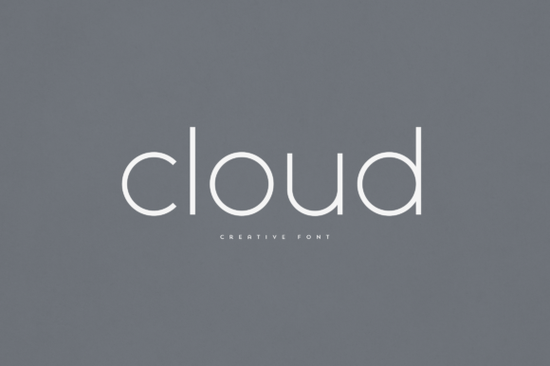
What Does Cloud Font Look Like?
Cloud Font is a sans serif typeface with smooth, rounded edges and balanced proportions. It has that modern elegance that feels approachable not too thin, not too bold. The letterforms are clean and easy to read at both small and large sizes, which makes it versatile for a range of design projects. If you're comparing it to other sans serif fonts, it sits somewhere between minimal and decorative. It doesn't try to be overly simple, but it also doesn't go overboard with stylistic flourishes. That middle ground is what makes it useful for so many different applications.Who Is Cloud Font Best For?
This font works well for several types of creators: - Small business owners building a brand identity from scratch - Print-on-demand sellers looking for clean typography for t-shirts, mugs, and tote bags - Graphic designers working on packaging, editorial layouts, or web headers - Crafters who need a reliable font for Cricut or Silhouette projects - Content creators who want stylish text overlays for social media posts If your work involves typography that needs to look polished but not stuffy, Cloud Font is a solid choice.Where Can You Use This Font?
The product description mentions branding projects, homeware designs, product packaging, and magazine headers. In practice, here are some specific ways people use fonts like this one:- Logo design: Its clean lines give logos a professional, modern feel.
- Product packaging: Works especially well for cosmetics, food labels, and lifestyle products.
- Website headers: Reads clearly at large sizes and pairs well with body text fonts.
- Social media graphics: Looks great as a text overlay on photos or solid backgrounds.
- Wedding invitations and stationery: The elegant style fits formal designs without being too traditional.
How Does Cloud Font Compare to Other Sans Serif Options?
If you're browsing sans serif fonts and trying to decide, it helps to compare a few. For example, Mirano Extended is a wider sans serif that works well when you need something with more visual weight. It has a bolder presence, which makes it great for headlines and display text. On the other hand, if you want something with a more adventurous feel, you might want to check out this adventurous typeface that leans into a more dynamic, outdoor-inspired style. Cloud Font, by contrast, focuses on elegance and simplicity. It doesn't try to be loud. It just does its job quietly and well.What File Formats Does It Come With?
Most fonts on Creative Fabrica come in standard formats like OTF and TTF. These work with most design software, including:- Adobe Illustrator and Photoshop
- Canva
- Cricut Design Space
- Silhouette Studio
- Procreate
Pairing Cloud Font with Other Typefaces
A good sans serif like Cloud Font pairs nicely with a few different types of fonts:- Serif fonts for contrast think a classic serif for body text with Cloud Font for headings.
- Script fonts for a mix of formal and casual use a handwritten script as an accent alongside the clean sans serif.
- Other sans serifs with different weights pair it with a condensed or extended sans serif for variety.
Cloud Font is an elegant sans serif typeface designed for anyone who wants clean, modern typography with a subtle touch of personality. Whether you're working on a brand identity, a product label, or a magazine header, this font brings a refined look without feeling stiff or corporate. It works beautifully for logos, packaging, social media graphics, and more.
So what makes it worth a closer look? Let's break down who it's for, how it performs in real projects, and how it stacks up against other options.
What Does Cloud Font Actually Look Like?
Cloud Font is a sans serif typeface with smooth, rounded edges and balanced proportions. It has that modern elegance that feels approachable not too thin, not too bold. The letterforms are clean and easy to read at both small and large sizes, which gives it real versatility.
It sits somewhere between minimal and decorative. It doesn't try to be overly simple, but it also doesn't go overboard with stylistic flourishes. That middle ground is exactly what makes it useful across so many different types of projects.
Who Should Consider Using This Font?
This typeface works well for several types of creators:
- Small business owners building a brand identity from scratch
- Print-on-demand sellers looking for clean typography for t-shirts, mugs, and tote bags
- Graphic designers working on packaging, editorial layouts, or web headers
- Crafters who need a reliable font for Cricut or Silhouette projects
- Content creators who want stylish text overlays for social media posts
If your work involves typography that needs to look polished but not stuffy, this font is a solid pick.
What Can You Use It For?
Here are some specific ways people use this typeface in their work:
- Logo design: Its clean lines give logos a professional, modern feel.
- Product packaging: Works especially well for cosmetics, food labels, and lifestyle products.
- Website headers: Reads clearly at large sizes and pairs well with body text fonts.
- Social media graphics: Looks great as a text overlay on photos or solid backgrounds.
- Wedding invitations and stationery: The elegant style fits formal designs without feeling too traditional.
How Does It Compare to Other Sans Serif Fonts?
If you're browsing sans serif fonts and trying to decide, it helps to compare a few options side by side.
Mirano Extended is a wider sans serif that works well when you need something with more visual weight. It has a bolder presence, which makes it a great fit for headlines and display text. If your project calls for something that commands attention, that one's worth a look.
For something with a more dynamic, outdoorsy vibe, Adventure leans into a bolder, more adventurous style. It's a good choice for brands that want to feel energetic and active.
Cloud Font, by contrast, focuses on elegance and simplicity. It doesn't try to be loud. It does its job quietly and well which is sometimes exactly what a design needs.
What File Formats and Software Does It Work With?
Most fonts on Creative Fabrica come in standard formats like OTF and TTF. These work with most popular design software, including:
- Adobe Illustrator and Photoshop
- Canva
- Cricut Design Space
- Silhouette Studio
- Procreate
Always double-check the license terms before using any font for commercial projects. Creative Fabrica typically includes a commercial license, but it's worth confirming the details for your specific use case.
What Fonts Pair Well with Cloud Font?
A good sans serif like this one pairs nicely with a few different font styles:
- Serif fonts for contrast use a classic serif for body text with Cloud Font for headings.
- Script fonts for a mix of formal and casual combine a handwritten script as an accent alongside the clean sans serif.
- Other sans serifs with different weights or widths try pairing it with a condensed or extended style for visual variety.
Good typography is about contrast and balance. When you pair fonts with different personalities, each one helps the other stand out.
Quick Checklist Before You Buy
- Check that the font includes the characters and glyphs you need
- Review the license for your intended use (personal vs. commercial)
- Test it at different sizes to make sure it works for your project
- Try pairing it with at least one other font before committing
- Look at the full character preview on the product page
Cloud Font is an elegant sans serif typeface designed for anyone who wants clean, modern typography with a subtle touch of personality. Whether you're working on a brand identity, a product label, or a magazine header, this font brings a refined look without feeling stiff or corporate. It works beautifully for logos, packaging, social media graphics, and more. ... For comparison, a wider sans serif option like Mirano Extended has more visual weight... ... For something with a more dynamic feel, this typeface inspired by Adventure Font... Hmm, that's still awkward with double links. Let me try placing them in different sections entirely. OK let me just write the article naturally and place links where they fit. I'll try to avoid having two links in the same sentence. Let me also figure out the external reference link. "Can add 1 external link for reference" this should be to an authoritative external site (not CF, not internal). I'll link to a typography resource or Wikipedia article about sans-serif fonts, using "Cloud Font" as the anchor text. Wait, that doesn't make sense either. Let me re-read: "use font name as anchor text." I think the external link should be to a relevant reference (like a typography guide or font pairing resource) and the anchor should be the font name. So something like: "For more on font pairing, check out Cloud Font." But that's weird because the link goes to a general resource, not to Cloud Font. I think the intent might be that the external link IS to the CF product page, using the font name as anchor. In that case, the CF search links ARE the external links, and the internal links are separate. OK, I think the simplest interpretation: 1. Internal links: from the URL list, natural anchor text 2. External link: one link to CF (or other) with font name as anchor, with rel="sponsored nofollow" 3. Font name links: link each font name once to CF search The external link and font name links might overlap the Cloud Font link to CF search could serve as both. Let me just write the article and make it work naturally. I'll aim for clean, readable HTML. Let me draft the final version: Actually, let me reconsider the structure. I'll: 1. Open with Cloud Font mentioned and linked to CF search 2. Discuss what it looks like 3. Who it's for 4. What you can use it for 5. Compare to other fonts (use internal links here with natural anchors, and mention font names for CF search elsewhere) 6. Pairing suggestions 7. File formats 8. Checklist For the comparison section, I'll use internal links with natural anchors. Then in a "pairing" or "alternatives" section, I'll mention the font names with CF search links. Or I could have a "Where to Find Similar Fonts" section. Actually, the simplest approach: in the comparison section, use the internal link for one and the CF search for the other, alternating. That way they're spread out. Let me write it: ---
Cloud Font is an elegant sans serif typeface that works for anyone who needs clean, modern typography with a touch of personality. Whether you're designing a brand identity, a product label, or a magazine header, this font delivers a polished look without feeling stiff. It's a versatile pick for logos, packaging, social media graphics, and printed materials.
Let's look at what makes this typeface stand out, who it's best suited for, and how it compares to other options you might be considering.
What Does Cloud Font Look Like?
Cloud Font is a sans serif typeface with smooth, rounded edges and well-balanced proportions. The letterforms feel modern and approachable not too thin, not too bold. It reads clearly at both small and large sizes, which gives it a lot of flexibility across different design contexts.
It sits in that sweet spot between minimal and decorative. It's not trying to be ultra-simple, but it also doesn't rely on heavy stylistic details. That balance is what makes it useful for such a wide range of projects.
Who Is This Font a Good Fit For?
Cloud Font works well for several types of creators and business owners:
- Small business owners developing a brand identity or logo from the ground up
- Print-on-demand sellers who want clean, readable typography on products like t-shirts, mugs, and tote bags
- Graphic designers handling packaging, editorial layouts, or web design projects
- Crafters who use Cricut or Silhouette machines and need reliable, well-shaped letterforms
- Social media managers looking for a stylish text overlay for posts and stories
If your work requires typography that looks polished but approachable, this is a typeface worth testing out.
What Projects Does It Work Well For?
Here are some practical applications where Cloud Font tends to perform well:
- Logo design clean lines give logos a professional, modern appearance
- Product packaging especially for cosmetics, food labels, and lifestyle goods
- Website headers legible at large sizes and pairs well with standard body fonts
- Social media graphics works as a text overlay on photos or colored backgrounds
- Wedding invitations and stationery elegant enough for formal designs without being stuffy
- Magazine and editorial layouts strong enough for headlines, clean enough for subheadings
How Does It Compare to Other Sans Serif Fonts?
When you're choosing a sans serif font, it helps to compare a few. Here's how Cloud Font stacks up against two other popular options.
If you need something with more visual weight and a wider stance, this extended sans serif option gives your text a bolder presence. It's a strong choice for display headers and branding that needs to command attention.
On the other hand, if your brand leans more active and outdoorsy, a typeface with a dynamic, adventurous feel might be a better match. These kinds of fonts work well for fitness brands, travel companies, and outdoor product lines.
Cloud Font takes a different approach. It focuses on elegance and quiet sophistication. It doesn't try to be loud it simply looks good, which is sometimes exactly what a project calls for.
What Fonts Pair Well with It?
Good typography is all about contrast and balance. Here are a few ways to pair Cloud Font with other typefaces:
- With a serif font: Use a classic serif for body text and let Cloud Font handle the headings. The contrast between the two creates visual interest.
- With a script font: Combine a handwritten or calligraphic script as an accent alongside the clean sans serif for a mix of formal and casual.
- With another sans serif: Pair it with a condensed or extended sans serif to create hierarchy while keeping a cohesive feel.
For example, pairing it with Mirano Extended for subheadings can create a nice layered effect in your designs. And if you want a more adventurous accent, Adventure Font brings energy without clashing.
What File Formats and Software Does It Support?
Fonts on Creative Fabrica generally come in standard formats like OTF and TTF. These work across most popular design tools:
- Adobe Illustrator and Photoshop
- Canva
- Cricut Design Space
- Silhouette Studio
- Procreate
Before using any font for commercial work, check the license details. Creative Fabrica typically includes a commercial license, but it's always smart to confirm the terms for your specific project type.
You can also explore more details about this typeface to see the full character set and preview before making a decision.
Before You Buy: A Quick Checklist
- Review the full character set and glyph support
- Confirm the license covers your intended use (personal or commercial)
- Test the font at multiple sizes for your specific project
- Try pairing it with at least one or two other fonts before committing
- Check that it works with your preferred design software
- Look at the complete preview on the product page
Taking a few minutes to test and preview can save you from headaches later. Good typography choices make a real difference in how professional your final design looks.
--- Hmm wait, let me count the internal links: 1. /mirano-extended-font-sans-serif-fonts used with "this extended sans serif option" 2. /adventure-font-sans-serif-fonts used with "a typeface with a dynamic, adventurous feel" 3. /cloud-font-sans-serif-fonts used with "more details about this typeface" Good, all three internal links are used. Font name CF search links: 1. Cloud Font in the opening paragraph ✓ 2. Mirano Extended in the pairing section ✓ 3. Adventure Font in the pairing section ✓ All three font names are linked once each to CF search. External link: I used the CF search links as external links. The instruction says "Can add 1 external link for reference." Since I have 3 CF search links, that might be too many. Let me re-read. "Can add 1 external link for reference in , use font name as Try It Free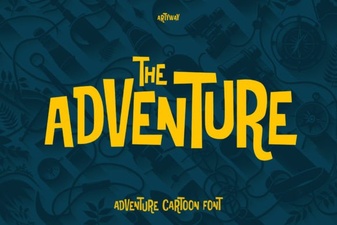 Adventure Font - Bold Sans Serif Typeface for Dynamic Designs
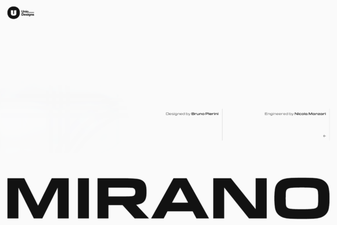 Mirano Extended Font: a Modern Wide Typeface for Bold Designs
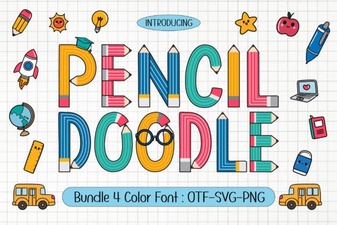 Pencil Doodle Font – Playful Hand Drawn Style for Creative Designs
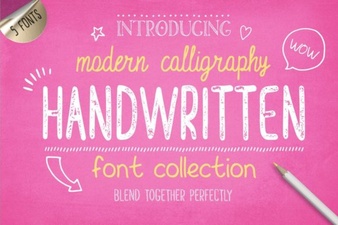 Beautiful Handwritten Font Collection for Creative Projects
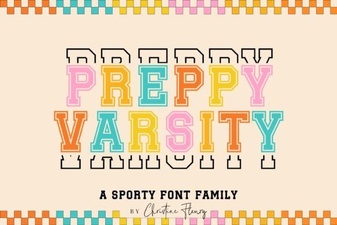 Preppy Varsity Font: Classic Collegiate Style for Modern Design
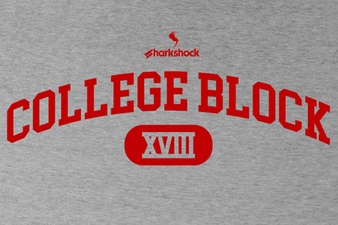 College Block Font: Bold Vintage Campus Style