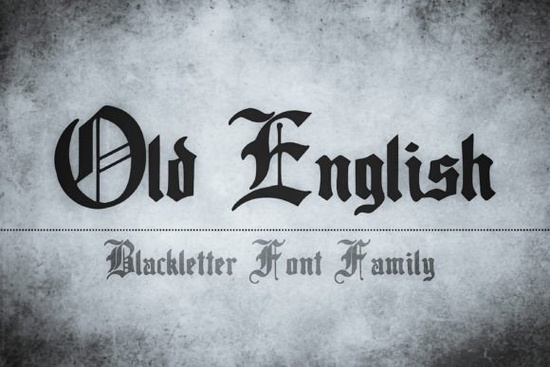
If you're working on a design project with a historical or medieval theme, the Old English font is one of the most recognizable blackletter typefaces you can use. It carries a strong antique feel that instantly sets a vintage or gothic tone perfect for everything from wedding invitations to branding that needs a classic, old-world touch.
But there's more to this font than just its looks. Let's break down when and how to use it effectively.
What Makes an Old English Font Different from Other Blackletter Typefaces?
Blackletter fonts come in several styles Fraktur, Textura, Rotunda, and Schwabacher among them. Old English falls into the broader blackletter family, but it has its own personality.
The key differences include:
- Letterform structure Old English has tall, narrow characters with ornate, angular strokes. The uppercase letters often feature decorative flourishes that make them stand out.
- Weight and density Compared to some lighter blackletter styles, Old English tends to feel heavier on the page, which works well for headers and display text.
- Readability at small sizes Like most blackletter fonts, it's not designed for body text. It shines at larger sizes where the details of each letter are clearly visible.
You can read more about the history of blackletter script on Wikipedia's blackletter overview if you want background for your design decisions.
Who Should Use This Type of Font?
Old English works for a surprisingly wide range of people and projects:
- Print-on-demand sellers Use it for T-shirt designs, mugs, and posters with a vintage or gothic aesthetic. Medieval-themed merch tends to have a loyal audience.
- Wedding and event stationery It pairs beautifully with serif fonts on formal invitations, menus, and programs when you want a traditional look.
- Small business branding Breweries, barbershops, tattoo studios, and pubs often gravitate toward blackletter fonts for logos because the style communicates heritage and craft.
- Crafters and hobbyists If you make handmade cards, scrapbook pages, or vinyl decals, this font adds a bold decorative element to your work.
- Book and album cover designers Historical fiction, fantasy novels, and metal or folk music covers frequently use Old English to set the mood before anyone reads a single word.
What Projects Work Best with a Medieval Blackletter Font?
Here are some specific ways people use this style:
- Logo design Great for businesses that want to evoke tradition, craftsmanship, or a medieval vibe.
- Headers and titles Use it for blog post headers, YouTube thumbnails, or social media graphics where you need an eye-catching display font.
- Sublimation and DTG printing Old English designs sell well on hoodies, tote bags, and wall art.
- Signage and décor Think rustic wedding signs, pub-style menu boards, or framed quotes for home décor.
- Digital products Clipart bundles, planner stickers, and SVG cut files with Old English lettering are popular on Etsy and similar marketplaces.
If you're looking for more blackletter font styles to compare, there are plenty of options worth exploring alongside this one.
How Do You Pair Old English Font with Other Typefaces?
This is where a lot of designers get stuck. Old English is bold and detailed, so it can easily overwhelm a layout if you're not careful. A few pairing tips:
- Match it with a clean serif or sans-serif Fonts like Garamond, Baskerville, or even a simple sans-serif give the design breathing room. The contrast lets the Old English text be the focal point without making the whole thing feel cluttered.
- Use it only for key words or headlines Don't set an entire sentence in blackletter. Pick one or two words that deserve the spotlight and set the rest in something simpler.
- Watch your spacing Blackletter fonts often need a bit more letter-spacing and line-height than you'd expect. Play with the settings until it feels balanced.
- Avoid mixing with other decorative fonts Combining Old English with, say, a heavy script font usually creates visual noise. Stick to one decorative font per design.
Things to Keep in Mind Before You Download
A few practical details worth knowing:
- License matters Make sure the font license covers your intended use. If you're selling products with the font, you need a commercial license. Always double-check before listing items for sale.
- Character set Check whether the font includes numbers, punctuation, and special characters you might need. Some blackletter fonts have limited glyph sets.
- File format OTF and TTF are standard. If you plan to use the font on the web, you may also need a WOFF or WOFF2 version.
- Preview at size Blackletter fonts can look quite different at 200px versus 24px. Always preview at the size you'll actually use.
Quick Checklist Before You Start Designing
- ☑ Confirm the font license covers your project type (personal or commercial)
- ☑ Test the font at the actual size you'll use it
- ☑ Choose a simple complementary font for body text
- ☑ Limit Old English to headers, titles, or accent words
- ☑ Check that all needed characters (numbers, symbols) are included
- ☑ Adjust letter-spacing for readability
Starting with these basics will save you time and help you get the most out of this typeface in your next project.
Try It Free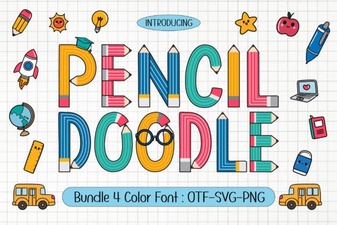 Pencil Doodle Font – Playful Hand Drawn Style for Creative Designs
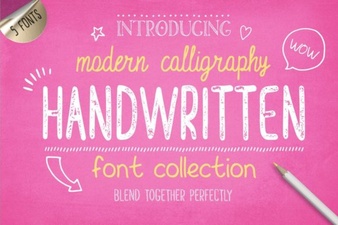 Beautiful Handwritten Font Collection for Creative Projects
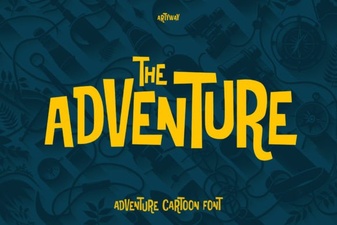 Adventure Font - Bold Sans Serif Typeface for Dynamic Designs
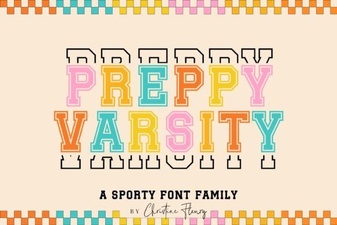 Preppy Varsity Font: Classic Collegiate Style for Modern Design
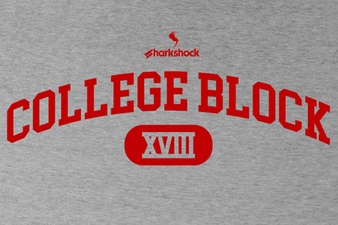 College Block Font: Bold Vintage Campus Style
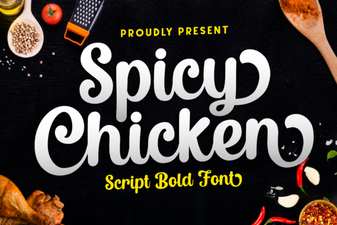 Spicy Chicken Font – Free Script Font Download